
Evolutionary Genetics Lab
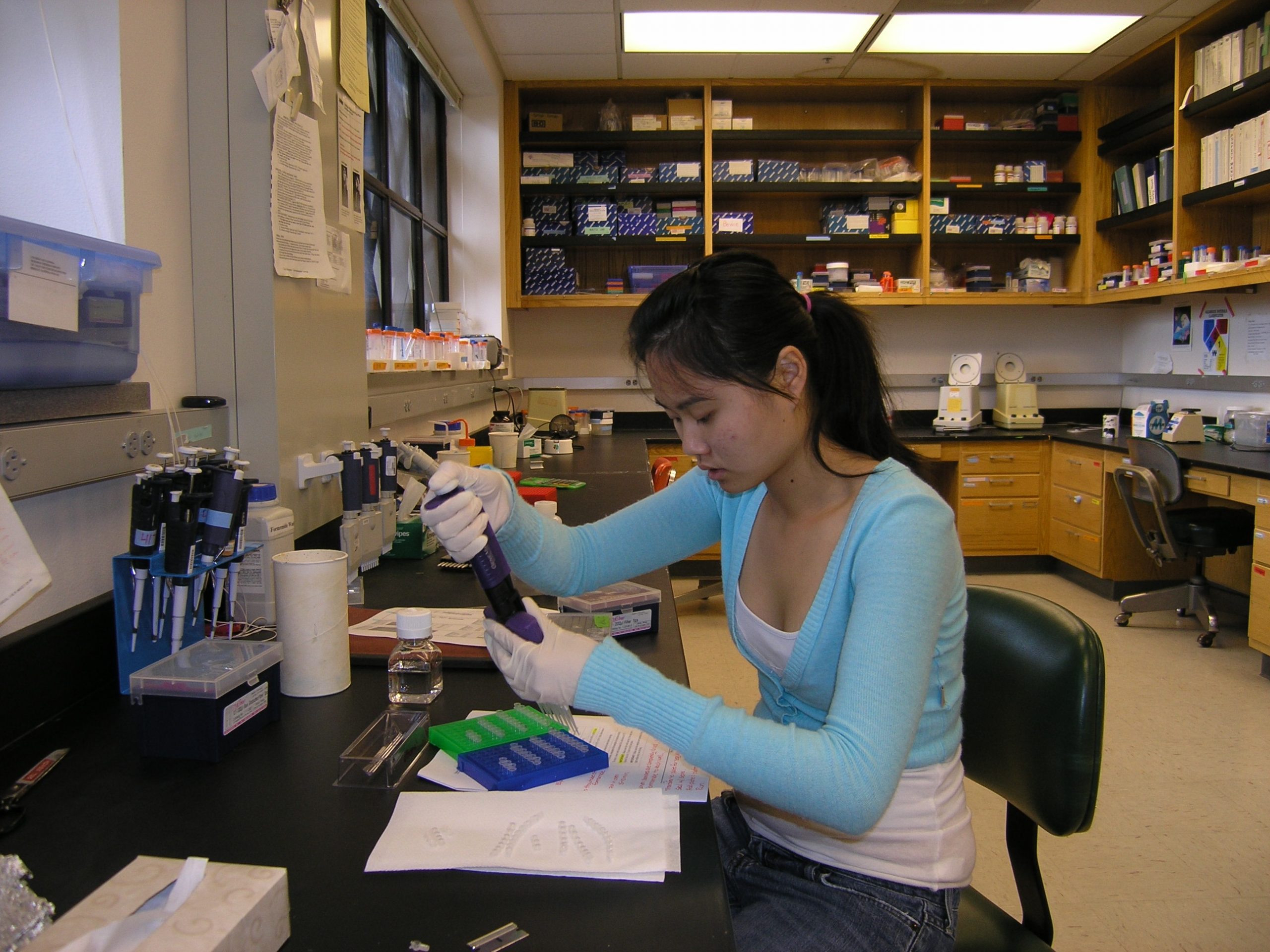
Many researchers in the Museum of Vertebrate Zoology collect genetic data to investigate the evolutionary history of the vertebrates they study. Knowing the genetic relationships of these species helps scientists to better understand patterns of speciation, evolutionary responses to changing environments, types of animal behavior and social systems, determinations of mate choice, routes and timing of migrations, and many other questions of vertebrate natural history.
The Museum and its affiliated faculty in Integrative Biology and other departments share the Evolutionary Genetics Laboratory (EGL), which occupies several rooms on the 4th floor above the MVZ. The lab is equipped for DNA extraction (historical as well as modern samples), PCR amplification (polymerase chain reaction), agarose gel electrophoresis, DNA sequencing, real-time PCR, microsatellite development and screening, high-throughput sequencing library construction, cloning, and preliminary data analysis.
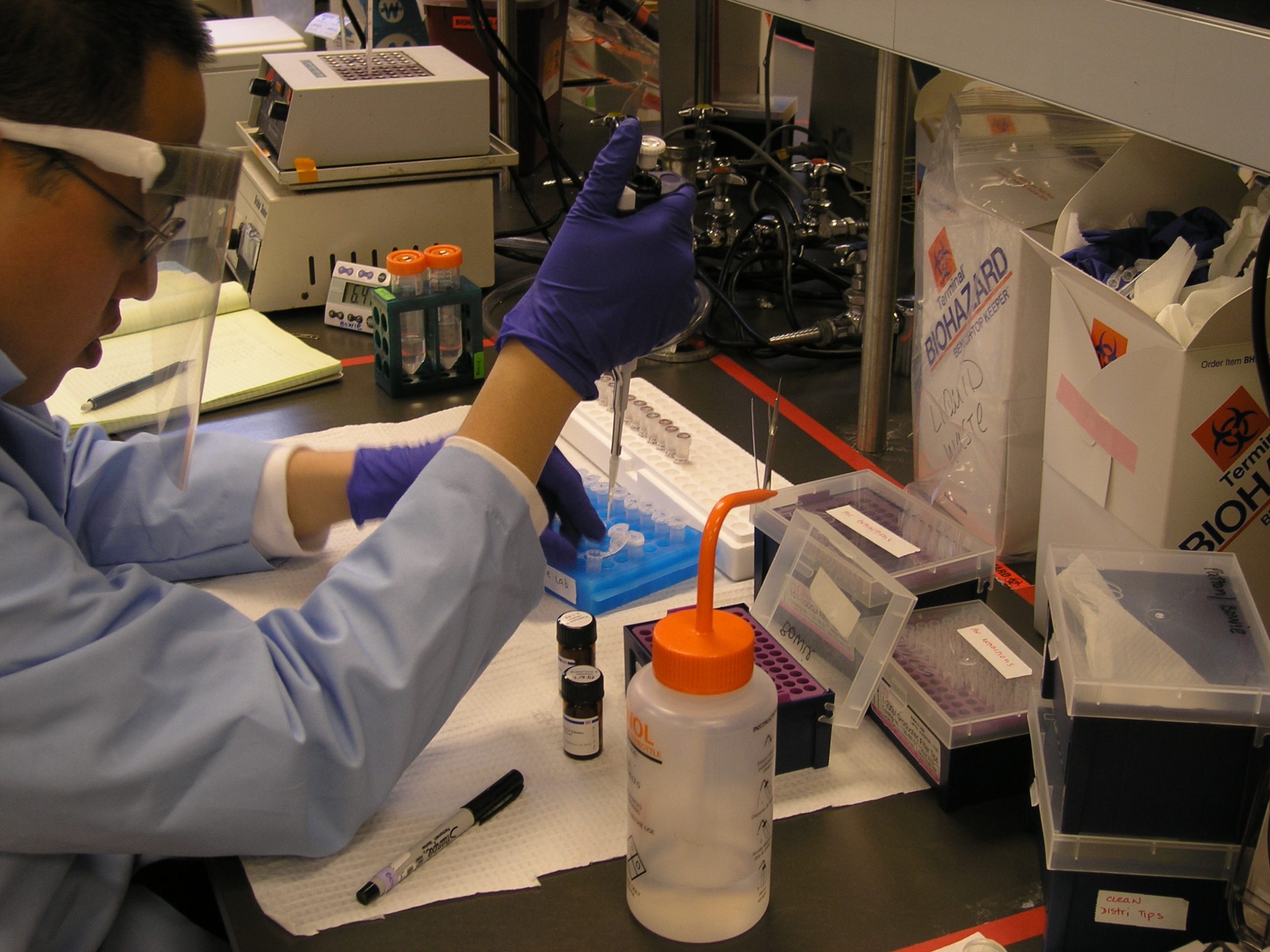
Bench space in the EGL lab is open to students, postdocs, visiting researchers, curators, and faculty members in the MVZ and IB, as well as to outside departments when space is available. Supplies and equipment are shared.
Our major items of equipment include a thermocycler array, benchtop, plate, and floor centrifuges, a digital imaging system for documenting agarose gels, a Nanodrop spectrophotometer, a Qubit fluorometer, a StepOne Plus real-time instrument, a Bioruptor sonicator, and an ABI 3730 48-capillary automated sequencer. Some additional equipment may be available for the occasional use of researchers who are not members of the lab. Anyone interested in using these instruments may seek permission through the lab manager to access the facility.
Our 3730 instrument is open to all UC Berkeley researchers who wish to prep their own sequencing or microsatellite reactions for analysis and can fulfill the training requirements to load samples onto the machine. Users are recharged for 3730 runs on a bimonthly schedule.
We provide a storeroom for our researchers in order to maintain the most commonly used consumables and reagents conveniently on-site. This includes material for extractions, PCR, Sanger sequencing, and Illumina library preparations (stranded RNA, genomic DNA, and RAD-Seq libraries). Lab users are recharged for consumables on a bimonthly schedule.
Researchers interested in using the lab in any of the four areas outlined above should contact the lab manager, Lydia Smith. Please provide a brief description of your proposed work in the lab, including estimated duration of the project, equipment and supplies needed, names of individuals who will be working in the lab, and your funding source.